What do Q1 and Q2 mean for a journal?+
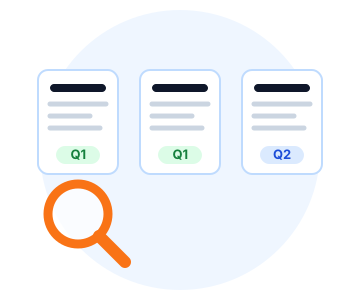
Indexes rank journals within each subject area and split them into four quartiles. Q1 is the top 25%. Q2 is the next 25% (26% to 50%). In Scopus, quartiles come from SCImago Journal Rank (SJR) or CiteScore. In Web of Science, quartiles come from Journal Impact Factor (JIF).
How do I check a journal's quartile and SJR ranking?+
Look up the journal on SCImago (scimagojr.com) to see its SJR quartile by subject and year. Check Scopus Sources for CiteScore rank. Check Journal Citation Reports (JCR) for Web of Science SCIE and SSCI quartiles. Rankings update each year, so always check the latest data.
What is the difference between SJR and Impact Factor?+
SJR uses Scopus citation data and weights citations by the rank of the citing journal. Impact Factor uses Web of Science data and counts average citations over a two-year window. Because the databases differ, a journal can be Q1 in SJR and Q2 in JCR.
What is the difference between SCI, SSCI and Scopus indexing?+
SCIE and SSCI are core collections inside Clarivate Web of Science. They cover natural sciences and social sciences. Scopus is a separate database run by Elsevier. Many top journals appear in both, while some appear in only one. We check both indexes for you.
How long does peer review take at Q1 and Q2 journals?+
Review speed varies by journal. Desk screening takes 3 days to 3 weeks. First peer-review decisions usually take 6 to 12 weeks. Counting revisions, full publication often takes 4 to 9 months. We list median review speeds for every journal in your shortlist report.
What is a peer-review pre-assessment?+
It is a dry-run review of your draft by an expert in your field. We read your paper the way a Q1 referee does. You get a ranked list of weak spots so you can fix them before you submit.
My paper was desk-rejected by a Q1 journal. Can you help?+
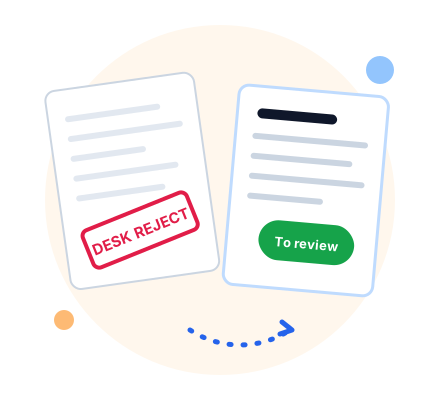
Yes. Send us the rejection note with your draft. We find out what went wrong—scope fit, framing, layout, or language. Then we match you with better journals and tune your paper for the next submission.
Do Q1 journals charge publication fees?+
Many hybrid Q1 and Q2 journals charge zero fees if you publish under the subscription model. Full open-access journals charge an Article Processing Charge (APC), often $1,500 to $4,000. We list exact fees and waiver rules for each journal in your report.